

Veterinary Chiropractic Care
For Dogs, Cats, Horses & Many Other Species
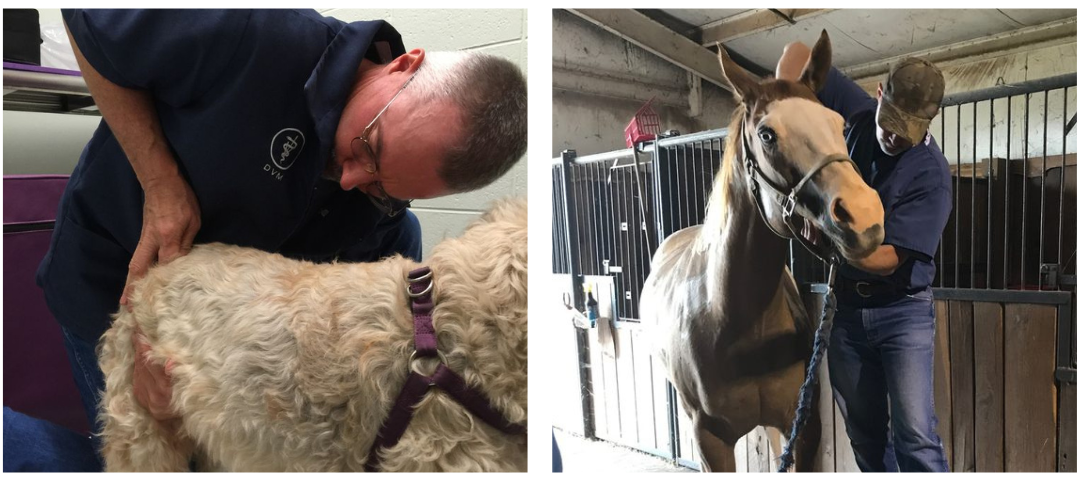
Restore Motion • Support the Nervous System • Elevate Whole-Body Health
Chiropractic care is one of the most powerful ways to support your animal’s health—yet many owners are surprised to learn it’s not just about the back or joints.
Whether you share your life with a dog, cat, or horse, chiropractic care focuses on something far more important: the nervous system, which controls and coordinates every function in the body.
When that system is working well, everything else has the potential to work better too.
A Natural, Time-Tested Approach to Healing
The concept of spinal health influencing overall wellness dates back over 2,000 years to Hippocrates.
In 1895, D. D. Palmer formalized these ideas into what we now know as chiropractic care—recognizing the powerful relationship between the spine, nervous system, and the body’s natural ability to heal.
Today, veterinary chiropractic applies these same principles to animals—helping restore balance, movement, and function in a gentle, hands-on way.
What Is Veterinary Chiropractic Care?
Chiropractic care focuses on identifying and correcting areas of restricted motion in the spine and joints.
These restrictions—called vertebral subluxation complexes (VSCs)—can interfere with how the nervous system communicates with the body.
Because the nervous system controls everything from movement to digestion to immune response, even subtle interference can impact your animal’s health in ways you may not immediately connect.
The goal of chiropractic care is:
- Restore normal motion
- Improve neurologic communication
- Allow the body to function and heal more effectively
Why the Nervous System Matters
The brain and spinal cord form the body’s command center.
Nerves exit the spine and carry information to every organ, muscle, and tissue. When spinal motion is restricted, those nerves—and the structures around them—can become irritated or dysfunctional.
This can lead to:
- Pain or stiffness
- Changes in movement or posture
- Reduced performance
- Behavioral changes
- Decreased resilience and recovery
- When normal motion is restored, communication improves—and the body can return toward balance.
What Causes These Problems?
Subluxations don’t just come from major injuries. They develop from everyday life.
Common causes include:
- Physical stress: running, jumping, training, or repetitive motion
- Trauma: slips, falls, rough play, or accidents
- Performance demands: especially in active or working animals
- Aging: accumulation of small stresses over time
- Anesthesia or surgery positioning
- Environmental or emotional stress
- Poor nutrition, conditioning, or recovery
- Hoof or nail imbalances affecting movement
- Birthing stress (for both mother and offspring)
Over time, these stressors can quietly alter movement and neurologic function, often long before obvious symptoms appear.
Signs Your Animal May Benefit
Dogs & Cats
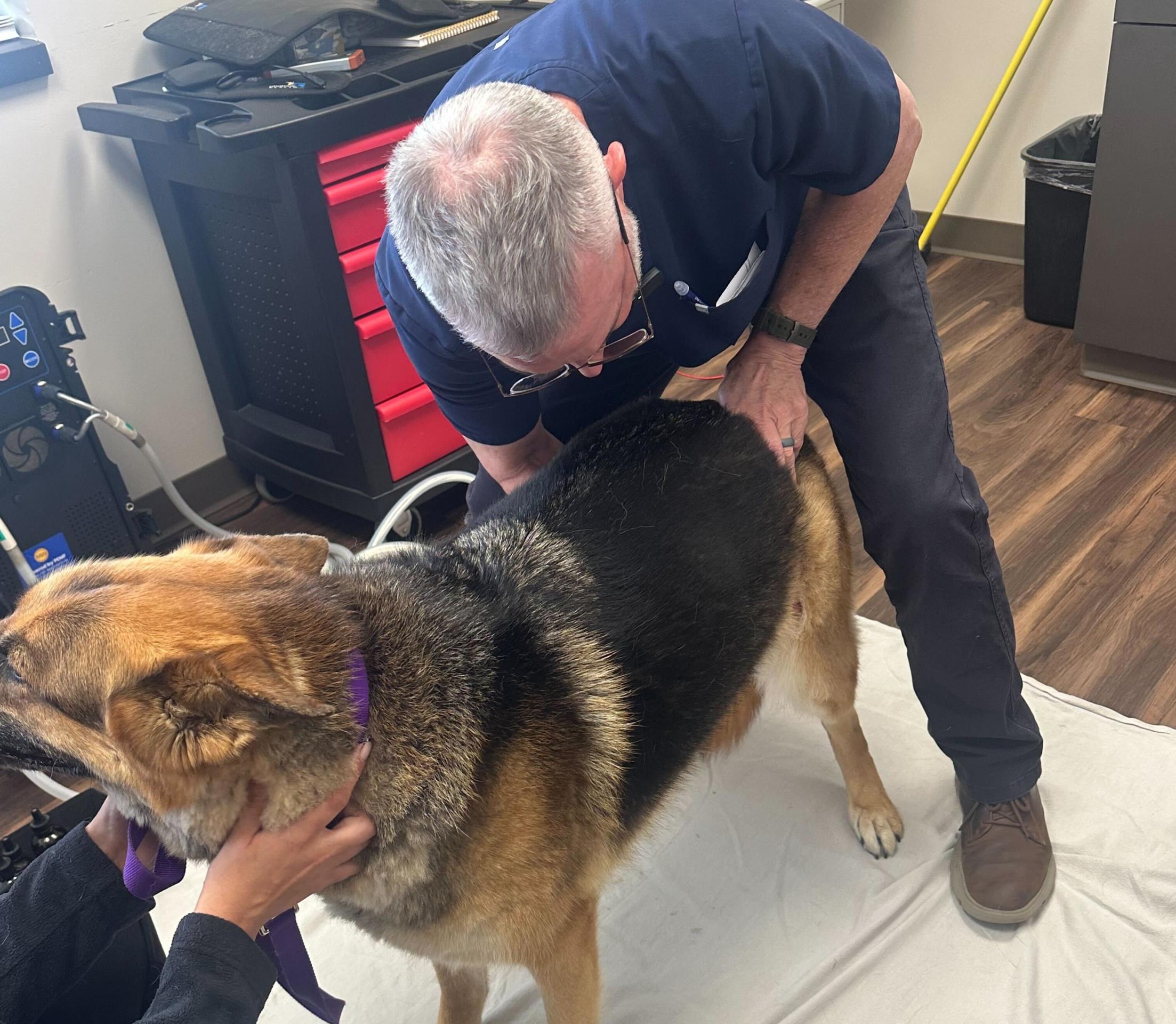
Many small animal signs are subtle and easily overlooked:
- Stiffness or slowing down
- Reluctance to jump, climb, or play
- Difficulty getting up or lying down
- Sensitivity to touch or handling
- Changes in posture or sitting position
- Favoring one side
- Licking paws or joints excessively
- Intermittent lameness
- Digestive irregularities
- Recurrent ear or anal gland issues
- Behavioral changes (irritability, withdrawal)
Chiropractic care is especially helpful for:
- Active and sport dogs
- Senior pets
- Chronic or recurring issues
- Preventive wellness support
Horses
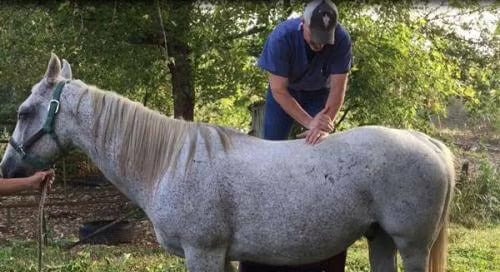
In horses, spinal dysfunction often shows up as performance or behavioral issues:
- Reduced performance or unwillingness to work
- Stiffness, especially when leaving the stall
- Difficulty bending, collecting, or engaging
- Shortened stride or irregular gait
- Resistance under saddle
- Pinning ears, tail swishing, or attitude changes
- Sensitivity to grooming or saddling
- Difficulty with transitions or lateral work
- Muscle loss or asymmetry
Because horses compensate so effectively, these issues are often misinterpreted until they become more advanced.
What Happens During an Adjustment?
“Chiropractic” means “done by hand,” and that’s exactly how care is delivered.
During a session:
- Your animal is evaluated in a calm, controlled environment
- Spinal and joint motion is carefully assessed
- Areas of restriction are identified
- A precise, targeted adjustment is applied
Adjustments use a specific, quick, controlled motion within the joint’s natural range to restore proper movement.
They are:
- Highly precise
- Brief
- Well tolerated by most animals
Many owners notice positive changes quickly -- sometimes even after the first visit.
Is Chiropractic Care Safe?
Yes, when performed by a properly trained and certified veterinary professional.
True chiropractic adjustments are:
- Controlled
- Specific
- Delivered within normal joint limits
Improper or non-specific manipulation, however, can be harmful. That’s why it’s essential to work with a practitioner trained specifically in animal chiropractic.
More Than Pain Relief: A Whole-Body Approach
Chiropractic care does not replace conventional veterinary medicine—it enhances it.
It can:
- Improve mobility and comfort
- Support recovery from injury or surgery
- Enhance performance and coordination
- Help regulate body systems through improved neurologic function
- Support long-term health and resilience
Because it works through the nervous system, its effects can extend far beyond what’s happening in the joints.
Preventive Care: The Missing Piece for Many Animals
One of the most powerful aspects of chiropractic care is its role in prevention.
Rather than waiting for symptoms to appear, regular care helps:
- Maintain proper motion and alignment
- Reduce compensation patterns
- Support optimal nervous system function
- Catch issues early—before they become bigger problems
When combined with proper nutrition, exercise, rest, and environment, chiropractic care helps unlock the body’s natural ability to stay healthy.
Part of a Larger Integrative Approach
For the best results, chiropractic care is often combined with:
- Rehabilitation and strengthening programs
- Nutritional and metabolic support
- Lifestyle and activity guidance
- Other integrative therapies
This comprehensive approach addresses not just symptoms—but the underlying causes of dysfunction.
Is Chiropractic Care Right for Your Animal?
If you’ve noticed changes in your dog, cat, or horse’s movement, behavior, or performance—or if you want to take a proactive approach to their long-term health—chiropractic care may be an excellent fit.
Schedule an Evaluation
If you are in the Springfield, MO area, give us a call! We’re here to help you better understand your animal’s needs and create a plan that supports their health, comfort, and performance.
📞 (417) 866-2923
📧 [email protected]