

Veterinary Ultrasonography in Springfield, MO | Advanced Veterinary Ultrasound Diagnostics
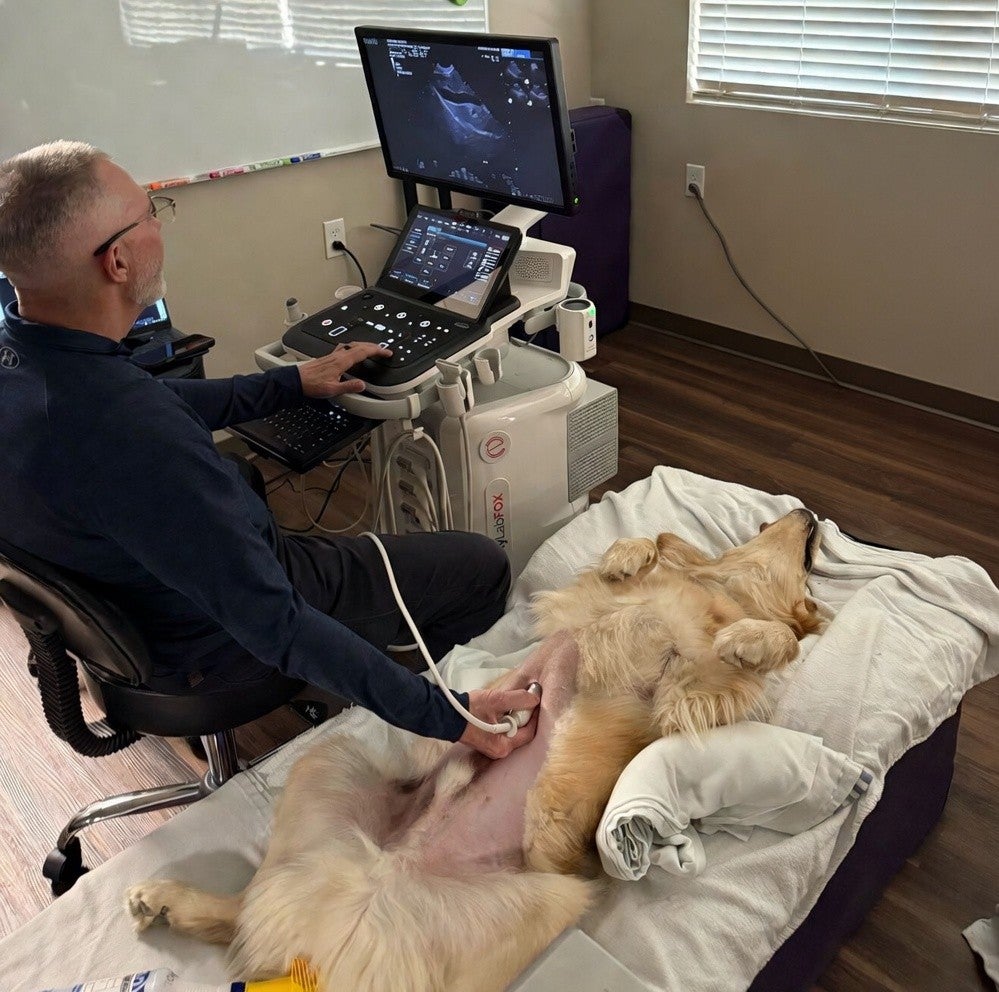
Veterinary Ultrasound Services in Springfield, Missouri
Veterinary ultrasonography in Springfield, MO provides a safe, non-invasive, and highly accurate way to diagnose internal conditions in dogs, cats, and other animals. At our veterinary hospital, ultrasound imaging is used to evaluate organs, detect disease early, guide procedures, and support faster, more informed treatment decisions.
Veterinary ultrasound is one of the most important diagnostic tools in modern veterinary medicine, especially for pets with unexplained illness, chronic disease, or abnormal bloodwork.
What Is Veterinary Ultrasonography?
Veterinary ultrasonography (veterinary ultrasound imaging) uses high-frequency sound waves to create real-time images of internal organs and soft tissue structures. This allows veterinarians in Springfield, Missouri to evaluate internal health without surgery or radiation.
Ultrasound imaging is especially useful for assessing:
- Abdominal organs
- Heart function
- Urinary tract health
- Reproductive system
- Soft tissue masses and abnormalities
Benefits of Veterinary Ultrasound in Springfield, MO
Veterinary ultrasound offers a wide range of clinical advantages for pet owners in the Springfield area.
Safe, Non-Invasive Diagnostic Imaging
- No radiation exposure
- Typically no anesthesia required
- Well tolerated by dogs and cats
- Low-stress diagnostic procedure
Early Disease Detection in Dogs and Cats
Veterinary ultrasound allows early identification of disease processes, including:
- Tumors and internal masses
- Organ enlargement or shrinkage
- Fluid accumulation in the abdomen or chest
- Chronic inflammatory disease
- Structural abnormalities of organs
Early detection improves treatment outcomes for pets in Springfield, MO and surrounding communities.
Real-Time Internal Organ Evaluation
Ultrasound provides detailed imaging of:
- Liver and gallbladder
- Kidneys and urinary bladder
- Spleen and pancreas
- Gastrointestinal tract
- Adrenal glands
- Reproductive organs
Ultrasound-Guided Procedures
Veterinary ultrasound in Springfield is also used to guide:
- Fine needle aspirates (FNA)
- Biopsies of internal organs or masses
- Fluid drainage procedures
- Abscess and cyst evaluation
This increases accuracy and reduces procedural risk
Common Reasons for Veterinary Ultrasound in Springfield, MO
Pet owners in Springfield often seek veterinary ultrasound for:
- Vomiting or chronic gastrointestinal issues
- Unexplained weight loss
- Abdominal pain or swelling
- Increased thirst or urination
- Abnormal bloodwork results
- Suspected cancer or internal masses
- Liver or kidney disease evaluation
- Chronic infections or inflammation
- Reproductive concerns (pregnancy, pyometra, infertility)
Types of Veterinary Ultrasound Available
Abdominal Ultrasound in Springfield, MO
The most commonly performed ultrasound exam used to evaluate internal abdominal organs and detect disease.
Cardiac Ultrasound (Echocardiography)
Evaluates heart structure and function, including:
- Heart chambers
- Valve function
- Blood flow patterns
- Congestive heart disease
Emergency Veterinary Ultrasound (FAST Scan)
Used in urgent or critical cases to quickly identify:
- Internal bleeding
- Free abdominal fluid
- Chest fluid accumulation
- Pericardial effusion
Musculoskeletal Ultrasound
Evaluates:
- Tendon injuries
- Ligament damage
- Muscle trauma
- Soft tissue masses
What to Expect During a Veterinary Ultrasound Appointment in Springfield
A veterinary ultrasound exam is typically quick and well tolerated.
Procedure Overview:
- Pet is positioned comfortably
- Small area of fur may be clipped
- Ultrasound gel is applied
- Handheld probe scans the area
- Real-time images are evaluated
Most ultrasound exams in Springfield veterinary hospitals take 20–60 minutes.
Sedation is rarely required but may be used if the pet is anxious or painful.
Veterinary Ultrasound vs X-Rays in Springfield, MO
Ultrasound is often used alongside X-rays for a more complete diagnostic picture.
- X-rays: Best for bones, lungs, and overall body structure
- Ultrasound: Best for soft tissue organs and real-time function
Together, they provide a comprehensive view of internal health.
Integrative Diagnostic Approach
Veterinary ultrasonography is most effective when combined with:
- Physical examination
- Bloodwork and lab testing
- Radiographs (X-rays)
- Cytology or biopsy
- Advanced imaging referrals when needed
This integrated approach improves diagnostic accuracy and treatment outcomes for pets in Springfield, Missouri.
Veterinary Ultrasound in Springfield, MO – Why It Matters
Ultrasound imaging is a cornerstone of modern veterinary diagnostics because it allows:
- Early disease detection
- Non-invasive internal imaging
- Faster diagnosis and treatment
- Reduced need for exploratory surgery
- Improved patient outcomes
Is Veterinary Ultrasonography Right for Your Pet in Springfield?
Your veterinarian may recommend ultrasound if your pet is experiencing:
- Digestive issues (vomiting, diarrhea)
- Weight loss or appetite changes
- Abdominal discomfort
- Abnormal lab results
- Suspected tumors or internal disease
- Urinary or reproductive problems
Frequently Asked Questions (FAQ)
What is veterinary ultrasonography used for?
Veterinary ultrasonography is used to evaluate internal organs such as the liver, kidneys, bladder, heart, and gastrointestinal tract to diagnose disease without surgery or radiation.
Is veterinary ultrasound safe for dogs and cats?
Yes. Veterinary ultrasound is completely safe, non-invasive, and does not use radiation. It is widely used in both dogs and cats in Springfield, MO veterinary hospitals.
Does my pet need to be sedated for a veterinary ultrasound?
Yes. In our veterinary hospital, sedation is often recommended for ultrasound examinations to ensure a complete, thorough, and high-quality diagnostic study. Sedation allows the patient to remain still and relaxed, which is essential for obtaining clear, detailed images of internal organs.
This improves diagnostic accuracy and allows the veterinarian to fully evaluate all relevant structures without motion interference, stress, or discomfort for the patient. The goal is always to prioritize both diagnostic quality and patient comfort during the procedure.
How long does a veterinary ultrasound take?
Most veterinary ultrasound exams take between 20 and 60 minutes, depending on the area being examined and the complexity of the case.
What conditions can be detected with ultrasound?
Ultrasound can detect tumors, organ disease, fluid buildup, pregnancy, infections, bladder stones, and many other internal conditions.
Is ultrasound better than X-rays for pets?
Ultrasound is better for evaluating soft tissues and organs, while X-rays are better for bones and lungs. Many cases require both for a complete diagnosis.
When should my pet get a veterinary ultrasound in Springfield, MO?
Ultrasound is recommended when pets have unexplained illness, abnormal bloodwork, chronic digestive issues, suspected internal disease, or possible tumors.
Schedule a Veterinary Ultrasound in Springfield, Missouri
If your pet needs advanced diagnostic imaging, veterinary ultrasonography offers a safe, accurate, and non-invasive way to evaluate internal health.
Early diagnosis leads to better outcomes—and ultrasound is one of the most valuable tools in modern veterinary medicine.
Contact us to schedule your pet's examination today at (417) 866-2923 or email us at [email protected].