

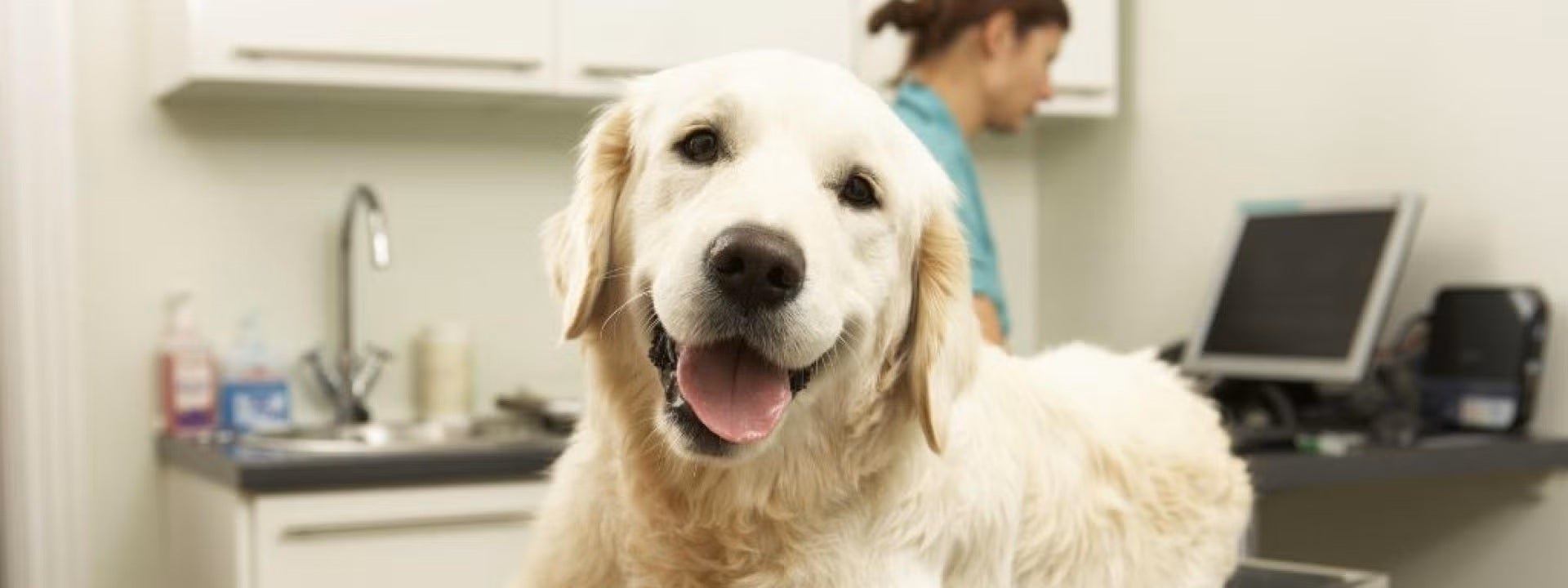
Many dogs who appear perfectly healthy may actually be living with subtle spinal imbalances that affect how they move, play, and experience the world. These imbalances—known as Vertebral Subluxation Complexes (VSCs)—occur when the small segments of the spine, called motion units, stop moving the way they should. Even mild restrictions in these areas can create inflammation, tension, stiffness, and pain. Over time, the body compensates, placing extra stress on joints, muscles, and even internal organs due to disrupted nervous system signaling.
Because dogs are experts at hiding discomfort, VSCs often go unnoticed until your dog begins slowing down, hesitating to jump, avoiding stairs, or losing interest in play. Left unaddressed, these issues can contribute to long-term degenerative changes in the spine and even impact overall organ function.
The encouraging news is that veterinary chiropractic care offers a safe, gentle, and effective way to restore proper spinal movement and support whole-body health. Through targeted spinal adjustments, a certified veterinary chiropractor can help re-establish normal motion in the spine, reduce inflammation, and support healthier nervous system function.
This blog explores how veterinary chiropractic care supports canine health, some of the conditions it can help manage, and why it’s a valuable addition to your dog’s lifelong wellness plan.
Do Dogs Really Need Veterinary Chiropractic Care?
Not every dog will show obvious signs of pain or mobility issues, but certainly every dog can benefit from regular chiropractic care. One of the biggest misconceptions is that veterinary chiropractic treatment is only for dogs with severe back problems or that it’s a luxury service. In reality, it’s a powerful preventive tool that supports mobility, comfort, and long-term wellness.
When a dog experiences pain, inflammation, or muscle tension, even simple movements can become difficult. Veterinary chiropractic adjustments help relieve this discomfort by restoring proper motion to the spinal segments and encouraging the body’s natural healing processes.
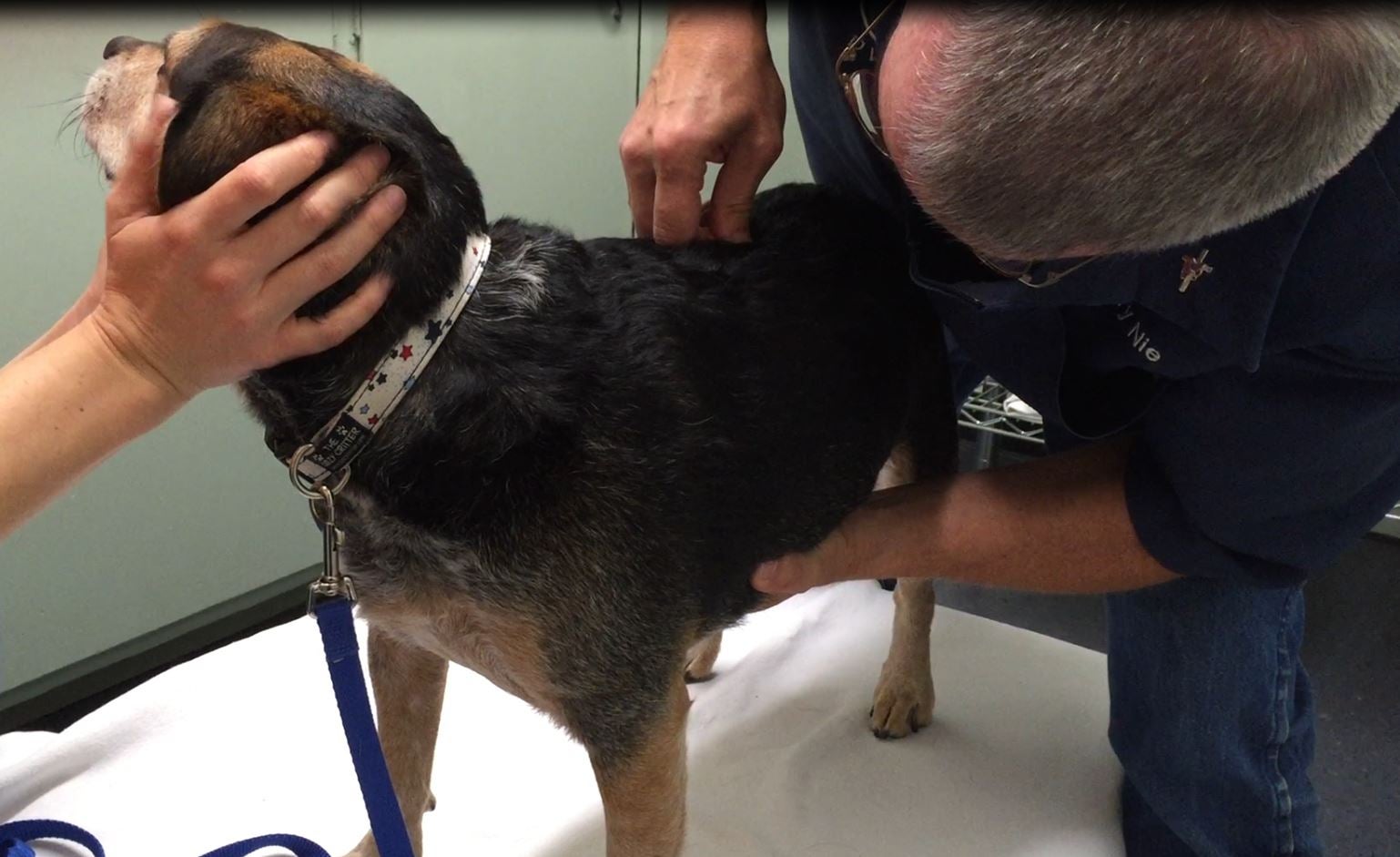 While conventional treatments—such as pain medications, muscle relaxants, or surgery—can be helpful, they focus on symptom management and may come with significant side effects. Veterinary chiropractic care complements these treatments by addressing the underlying mechanical issues contributing to pain. Research and clinical experience support its ability to reduce discomfort and improve mobility in dogs with musculoskeletal problems.
If you’re unsure whether veterinary chiropractic care is right for your dog, a consultation with a certified veterinary chiropractor can provide clarity. They’ll evaluate your dog’s posture, movement, and overall health to create a personalized treatment plan.
Conditions Veterinary Chiropractic Care Can Help Manage
Back or Neck Pain
Dogs can experience back and neck pain from everyday activities like jumping, slipping, or rough play. Long-bodied breeds such as Dachshunds and Corgis, as well as athletic dogs, are especially prone to spinal strain. Veterinary chiropractic adjustments help restore proper movement in the vertebral motion units, improving nervous system communication and relieving pressure on irritated nerves. Many dogs show increased fluidity of movement and reduced stiffness after treatment—sometimes immediately, though some require several sessions.
Arthritis and Joint Stiffness
As dogs age, their joints naturally lose flexibility. Arthritis develops when cartilage wears down, causing inflammation and pain. Veterinary chiropractic care helps maintain healthy spinal and joint movement, reducing stiffness and supporting better mobility. While it isn’t a cure for arthritis, it’s an excellent complement to other treatments and can significantly improve comfort and quality of life.
Post-Injury or Post-Surgical Recovery
After an injury or surgery, dogs often shift their weight or move differently to avoid discomfort. These compensations can create new areas of strain. Veterinary chiropractic adjustments help rebalance the body, reduce muscle tension, and support proper healing. When combined with rehabilitation or physical therapy, veterinary chiropractic care can enhance recovery and help prevent future mobility issues.
Lameness or Limping Without Bone Injury
If a dog is limping but radiographs (x-rays) show no fracture, the issue may stem from soft tissue strain or spinal movement restrictions. A veterinary chiropractor evaluates gait, posture, and spinal motion to identify problem areas. Targeted adjustments help restore proper movement, reduce inflammation, and relieve discomfort, often resulting in noticeable improvement in mobility.
Sporting Conditioning and Performance Support
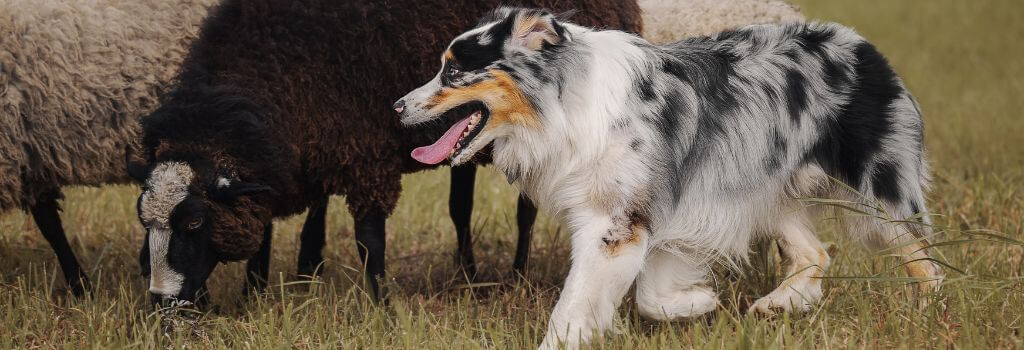
Performance dogs—such as agility competitors, hunting dogs, and herding dogs—place significant stress on their bodies. Veterinary chiropractic care helps maintain spinal flexibility, balance muscle groups, and support optimal coordination. Regular adjustments can reduce injury risk and promote faster recovery from minor strains, helping athletic dogs perform at their best.
Changes in Mobility or Tail Movement
Hesitation to jump, difficulty with stairs, or a tail that suddenly stops wagging may indicate spinal or nerve discomfort. Veterinary chiropractic adjustments can restore proper motion in the lower back and pelvis, relieving tension and helping dogs regain comfortable mobility and tail movement.
Is Veterinary Chiropractic Care Safe?
When performed by a trained and certified professional, veterinary chiropractic care is safe for dogs of all ages, sizes, and breeds. A qualified practitioner understands canine anatomy, biomechanics, and the specific techniques required to adjust dogs safely and effectively.
Safety begins with a thorough evaluation. A certified veterinary chiropractor considers your dog’s breed, size, health history, and comfort level before determining whether veterinary chiropractic care is appropriate. Adjustments are tailored to your dog’s unique needs, ensuring a gentle and effective experience.
The number of sessions needed varies. Some dogs improve after just one or two adjustments, while chronic conditions or post-injury recovery may require ongoing care. The greatest benefit often comes from using veterinary chiropractic care preventively—supporting mobility, comfort, and overall wellness throughout your dog’s life.
Supporting Your Dog’s Health Through Veterinary Chiropractic Care
Veterinary chiropractic care offers a holistic, hands-on approach to improving your dog’s comfort, mobility, and overall health. By restoring proper spinal movement and supporting the nervous system, veterinary chiropractic adjustments can help your dog move more freely, recover more quickly, and enjoy a better quality of life.
If you’d like to learn more or schedule a consultation, you can call us at (417) 866-2923 or email [email protected]. You can also stay connected with us on Facebook and Instagram.
Your dog deserves to feel their best—and veterinary chiropractic care can be a powerful part of helping them get there.