

Most cats are excellent at hiding illness. They often eat, sleep, and behave normally even when underlying disease is developing. That’s why cat wellness exams are such an important part of preventive veterinary care—they help identify problems early, long before obvious symptoms appear.
Whether you’re scheduling a cat yearly check up, wondering about how much a cat check up costs, or trying to understand what happens during a feline wellness exam, this guide breaks it down in practical terms.
What Is a Cat Wellness Exam?
A cat wellness exam (also called a cat check up or feline wellness exam) is a routine veterinary visit focused on prevention rather than illness.
The goal is to:
- Detect disease early
- Monitor long-term health trends
- Prevent common feline illnesses
- Keep vaccinations and parasite protection current
Even if your cat seems perfectly healthy, these exams are essential for catching silent conditions before they progress.
What Happens During a Cat Check Up?
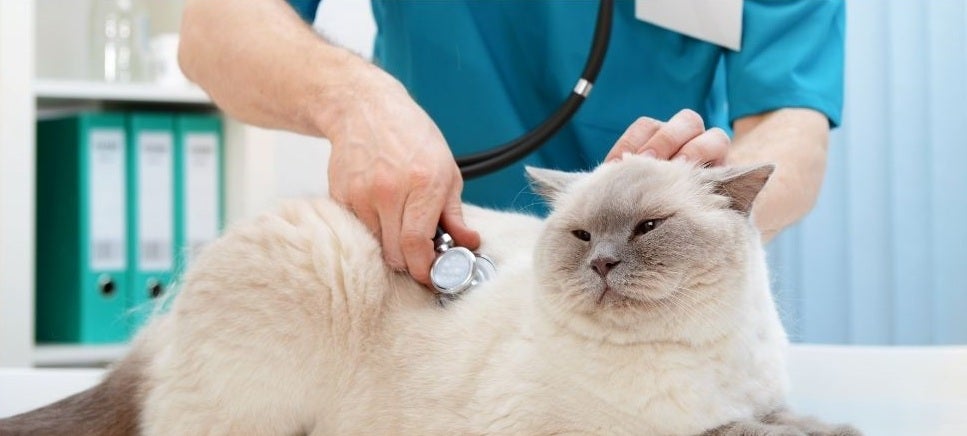
A typical cat check up is a full head-to-tail evaluation designed to assess overall health.
Physical Exam Includes:
- Eyes, ears, and oral health assessment
- Heart and lung evaluation
- Abdominal palpation
- Skin and coat condition
- Joint mobility and comfort
- Weight and body condition scoring
Health Discussion:
Your veterinarian will also review:
- Diet and feeding habits
- Behavior changes
- Litter box habits
- Lifestyle risks (indoor vs outdoor)
Why Cat Wellness Exams Matter So Much
One of the biggest challenges in feline medicine is that cats rarely show illness early. By the time symptoms appear, disease may already be advanced.
Regular vet check-ups for cats help with:
- Early detection of kidney disease
- Identification of thyroid disorders
- Catching diabetes in early stages
- Monitoring heart health
- Detecting dental disease before pain develops
In many cases, early intervention leads to better outcomes and less invasive treatment.
How Often Should Cats Have a Wellness Exam?
Frequency depends on age and health status:
- Kittens: multiple visits during the first year (vaccines + growth monitoring)
- Adult cats: at least once per year, every 6 months would be better to catch things early
- Senior cats: every 6 months is best for seniors
If you’re asking do cats need yearly check ups?—for most cats, the answer is yes. Regular exams help establish a baseline so subtle changes can be detected over time.
Cat Wellness Exam Cost: What to Expect
Questions like how much is a cat check up or cat wellness exam cost are very common.
Costs can vary based on:
- Geographic location
- Whether vaccines are included
- Laboratory testing (bloodwork, fecal testing, urinalysis)
- Your cat’s age and medical needs
While pricing differs, it’s helpful to think of wellness care as prevention—often far less expensive than treating advanced disease later.
What Tests Might Be Recommended?
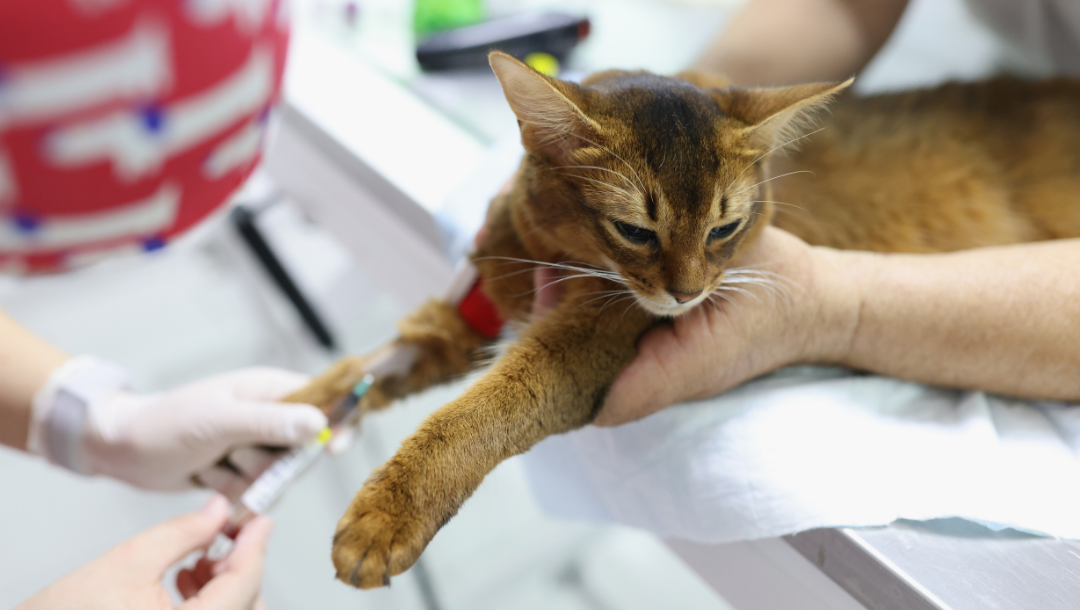
Depending on your cat’s age and risk factors, your veterinarian may suggest:
- Bloodwork to evaluate organ function
- Fecal testing for parasites
- Urinalysis for kidney and bladder health
- Blood pressure measurement (especially in older cats)
These tests help uncover issues that cannot be seen during a physical exam alone.
Signs Your Cat Needs a Check Up Sooner
Even with regular visits, you should schedule an exam if you notice:
- Changes in appetite or thirst
- Weight loss or gain
- Vomiting or diarrhea
- Hiding or decreased activity
- Litter box changes
- Bad breath or drooling
- Coat changes or poor grooming
Cats are subtle—small changes often matter.
Wellness Exams vs Sick Visits
It helps to understand the difference:
- Wellness exam: Preventive care, screening, and early detection
- Sick visit: Diagnosis and treatment of a current problem
Both are important, but wellness exams are what help reduce the need for emergency care later.
What Questions Should You Ask Your Vet?
A wellness visit is a great time to ask about:
- Diet and nutrition
- Vaccination schedules
- Parasite prevention
- Behavior changes
- Dental care
- Aging and senior cat health planning
Bringing a list helps make the most of your appointment.
How Wellness Exams Support Lifelong Health
Routine cat health check ups provide a long-term picture of your cat’s health. Over time, your veterinarian can track:
- Weight trends
- Lab value changes
- Early signs of chronic disease
- Behavior or mobility changes
This continuity is one of the most powerful tools in feline preventive medicine.
Senior Cats Need Even More Attention
As cats age, risk increases for conditions like:
- Kidney disease
- Hyperthyroidism
- Arthritis
- Diabetes
A senior cat wellness exam often includes more frequent monitoring and expanded lab work to stay ahead of age-related changes.
Making Vet Visits Easier for Your Cat
To reduce stress:
- Use a secure, familiar carrier
- Keep the environment calm before travel
- Cover the carrier with a light blanket
- Bring a familiar-smelling item if helpful
- Stay consistent with routine visits so they become familiar over time
Stress-free handling makes exams more productive and easier for your cat.
Final Thoughts
Routine cat wellness exams are one of the simplest and most effective ways to protect your cat’s long-term health. They allow early detection of disease, help maintain preventive care, and give you a clear understanding of your cat’s changing needs over time.
If it’s been a while since your cat’s last check up, scheduling a wellness exam is a proactive step toward keeping them healthy, comfortable, and thriving.