

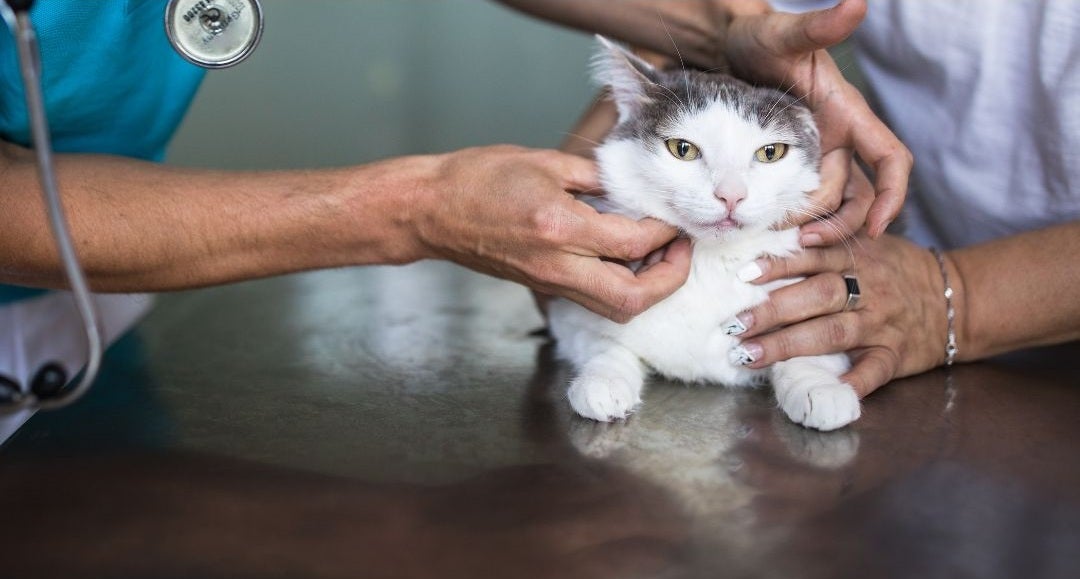
Understanding Arthritis in Cats
Arthritis in cats is far more common than most pet owners realize. Because cats are experts at hiding discomfort, degenerative joint disease often progresses quietly until mobility changes become more obvious.
Feline arthritis is a chronic, progressive condition involving inflammation and degeneration of the joints, leading to pain, stiffness, and reduced range of motion. It most commonly affects the hips, spine, elbows, and knees, especially in senior cats.
While there is no single “cure” for arthritis, there are many ways to improve comfort and quality of life—including integrative therapies such as veterinary chiropractic care.
Signs of Arthritis in Cats (Often Missed Early)
Cats rarely limp dramatically like dogs. Instead, signs are subtle and easy to overlook.
Common indicators include:
- Reduced jumping (onto counters, furniture, or windowsills)
- Stiffness after rest or sleep
- Slower movement or hesitation before jumping
- Decreased grooming, especially hard-to-reach areas
- Changes in litter box habits
- Irritability when handled or touched
- Sleeping more than usual
- Reluctance to climb stairs or use cat trees
- Subtle limping or uneven movement
- Loss of muscle mass, especially over the back or hindquarters
These changes are often mistakenly attributed to “normal aging,” but they frequently reflect underlying joint inflammation and spinal stiffness.
What Causes Arthritis in Cats?
Feline arthritis is typically degenerative and develops over time due to:
- Age-related joint wear and tear
- Previous injury or trauma
- Repetitive stress on joints and spine
- Congenital joint abnormalities
- Obesity or excess body weight
- Chronic spinal misalignment or restricted motion
Over time, inflammation leads to reduced joint flexibility, discomfort, and compensatory movement patterns that place additional stress on the body.
How Chiropractic Care Helps Cats with Arthritis
Veterinary chiropractic care does not treat arthritis itself, but it plays an important role in supporting mobility, reducing mechanical stress, and improving nervous system function.
When joints or spinal segments lose normal motion, the body compensates in ways that can increase pain and inflammation. Chiropractic adjustments help restore motion to restricted areas, which may improve overall function and comfort.
Key Benefits of Chiropractic Care for Arthritic Cats:
- Improves joint and spinal mobility
- Reduces compensatory stress on surrounding structures
- Supports better movement patterns
- Enhances nervous system communication
- May reduce pain perception related to musculoskeletal restriction
- Helps maintain function in aging cats
Many cats with arthritis also develop spinal stiffness, which can further limit movement. Addressing both joint and spinal function together is often most effective.
Chiropractic Care vs. Pain Medications for Cat Arthritis
Pain medications can be helpful for managing inflammation and discomfort, but they primarily focus on symptom control.
Veterinary chiropractic care focuses on:
- Restoring motion
- Improving biomechanics
- Supporting nervous system balance
- Enhancing long-term functional mobility
In many integrative treatment plans, chiropractic care is used alongside:
- Anti-inflammatory medications (when appropriate)
- Nutritional support
- Weight management
- Joint supplements
- Physical rehabilitation strategies
This combined approach often produces better long-term outcomes than any single therapy alone.
What Happens During Chiropractic Care for Arthritic Cats?
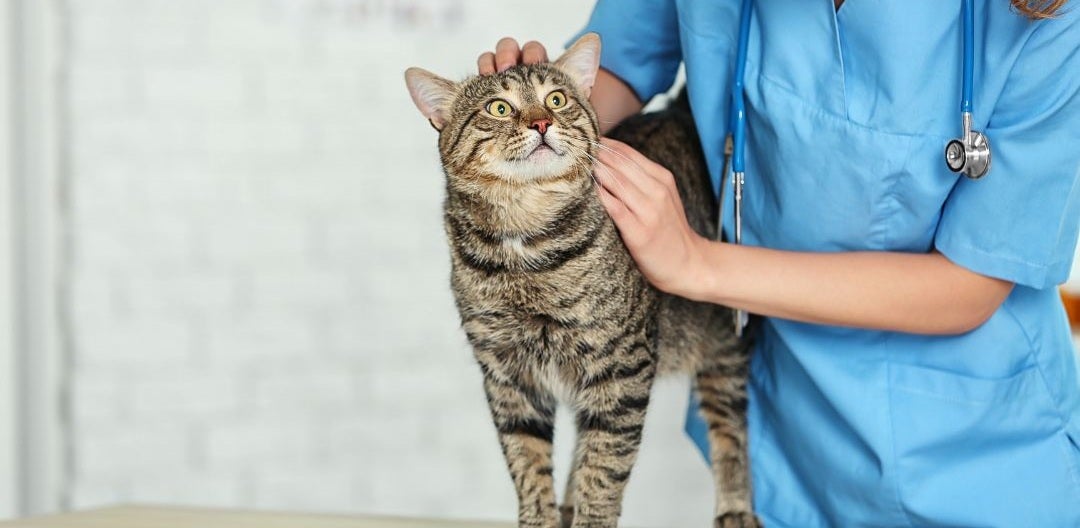
Arthritic cats require a very gentle, individualized approach.
A typical visit includes:
- Movement and posture evaluation
- Palpation of spinal and joint motion
- Identification of restricted or compensatory areas
- Gentle chiropractic adjustments using low-force techniques
- Post-treatment reassessment of mobility and comfort
Most cats tolerate treatment well and many show improved mobility shortly after an adjustment.
How Often Should Arthritic Cats Receive Chiropractic Care?
Frequency depends on severity and response:
- Mild arthritis: Every 4–8 weeks
- Moderate arthritis: Every 2–4 weeks
- Advanced cases: More frequent care may be recommended initially
The goal is to maintain motion, reduce compensatory stress, and support long-term comfort.
At-Home Support for Cats with Arthritis
Chiropractic care works best when combined with supportive home strategies:
Improve Accessibility
- Low-entry litter boxes
- Pet ramps or steps to favorite areas
- Avoid high jumps or barriers
Encourage Gentle Movement
- Short, frequent play sessions
- Environmental enrichment at floor level
- Avoid forcing activity
Nutritional & Weight Support
- Maintain lean body condition
- Species-appropriate, low-inflammatory diet
- Targeted joint support supplements (when appropriate)
Warm, Comfortable Resting Areas
- Heated beds or warm resting spots
- Soft, supportive bedding for joints
When to Consider Chiropractic Care for an Arthritic Cat
- Chiropractic care may be beneficial when you notice:
- Increasing stiffness or reduced mobility
- Difficulty jumping or climbing
- Behavioral changes linked to discomfort
- Decline in grooming or activity
- Progressive slowing with age
Early intervention is ideal. Supporting joint and spinal function before severe restriction develops can help preserve long-term mobility.
Is Chiropractic Safe for Arthritic Cats?
Yes—when performed by a veterinarian or certified animal chiropractor, chiropractic care is considered safe and well tolerated.
Techniques used for arthritic cats are:
- Low force
- Highly specific
- Adapted to reduced joint flexibility
- Focused on comfort and gentle restoration of motion
Some cats may experience mild, temporary adjustments in movement or behavior as their body adapts.
The Integrative Approach: Best Outcomes for Feline Arthritis
Chiropractic care is most effective when used as part of a broader integrative plan that may include:
- Pain management when needed
- Weight optimization
- Joint support nutraceuticals
- Environmental modifications
- Laser or rehabilitation therapy
- Nutritional optimization
This multimodal approach supports both symptom relief and long-term function.
Final Thoughts: Helping Arthritic Cats Live Better, Not Just Longer
Arthritis does not have to mean a decline in quality of life. With early recognition and a thoughtful combination of therapies—including veterinary chiropractic care—many cats can remain active, comfortable, and engaged well into their senior years.
Small improvements in mobility can make a meaningful difference in daily comfort, independence, and happiness.
Interested in Chiropractic Care for Your Arthritic Cat?
If your cat is showing signs of stiffness, reduced mobility, or behavioral changes associated with discomfort, chiropractic evaluation may help uncover hidden sources of restriction and support better function.
Contact your veterinary provider to discuss whether feline chiropractic care is appropriate for your cat’s needs.
Schedule a consultation with us to learn more if chiropractic care is right for your cat. Contact us at (417) 866-2923 or email us at [email protected].