

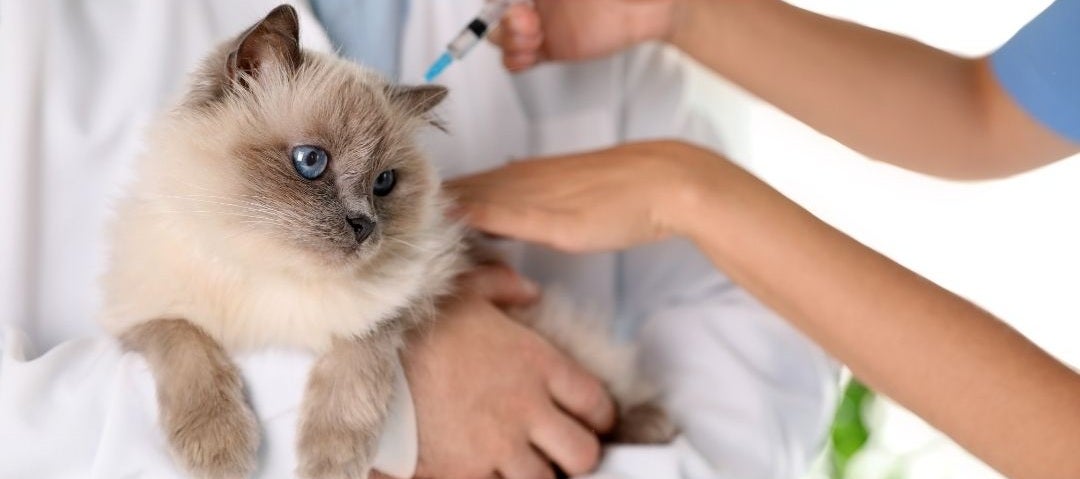
As a veterinarian, one of the most common questions I hear from cat owners is: “Does my cat really need vaccines?” It’s a fair question—especially with so much conflicting information online. My goal here is to give you a clear, practical understanding of how vaccinations fit into your cat’s overall health and why they remain one of the most important tools we have in preventive care.
Why Vaccinations Still Matter
Vaccines protect cats from diseases that are often severe, highly contagious, and sometimes fatal. Conditions like panleukopenia or rabies aren’t things we can “treat our way out of” easily—they’re far better prevented than managed after infection.
In everyday practice, I still see cases of vaccine-preventable disease, particularly in unvaccinated or under-vaccinated cats. These are situations that are often heartbreaking and, in many cases, avoidable.
Core vs. Lifestyle-Based Vaccines
Not every cat needs every vaccine—but every cat does need core protection.
Core Vaccines
These are recommended for all cats:
- Rabies
- FVRCP (upper respiratory viruses and panleukopenia)
These diseases are either widespread, severe, or pose a risk to public health.
Non-Core Vaccines
These depend on your cat’s lifestyle:
- Feline leukemia (especially for cats that go outdoors or live with other cats)
- Other less commonly used vaccines based on specific risk factors
This is where veterinary guidance really matters. A strictly indoor cat has different risks than a cat who roams outside or interacts with unfamiliar animals.
“My Cat Stays Indoors—Do They Still Need Vaccines?”
This is probably the number one misconception I encounter.
Indoor cats are safer—but not risk-free.
Viruses can enter your home on clothing, shoes, or new pets. Cats can escape unexpectedly. And even routine situations—like a trip to the vet or emergency boarding—can expose them to other animals.
Because of this, I still recommend core vaccines for indoor cats. The protection they offer is simply too important to skip.
Timing Matters: Starting Early and Staying on Track
Kittens require a series of vaccines because their immune systems are still developing. That early schedule is designed to build reliable protection.
As cats get older, booster vaccines are spaced out—often every 1–3 years depending on the vaccine and the individual cat.
One of the most practical things you can do as a pet owner is keep your cat on a consistent schedule. Falling behind increases vulnerability and can mean restarting certain vaccine series.
Are Vaccines Safe?
In general, yes—vaccines used in veterinary medicine today have strong safety profiles.
Most cats experience no side effects. When they do occur, they’re usually mild:
- Temporary tiredness
- Slight fever
- Mild soreness
Serious reactions are rare, but they can happen. That’s why it’s important to vaccinate under veterinary supervision and report anything unusual after an appointment.
As veterinarians, we weigh risk versus benefit every time we recommend a vaccine. In the vast majority of cases, the benefit of protection far outweighs the risk.
What About Over-Vaccination?
This is another common concern—and a valid one.
Modern veterinary medicine has moved away from “one-size-fits-all” vaccine schedules. Today, we tailor plans based on:
- Age
- Health status
- Lifestyle
- Previous vaccine history
The goal is not to give more vaccines than necessary—it’s to give the right vaccines at the right intervals.
Titer Testing: An Alternative?
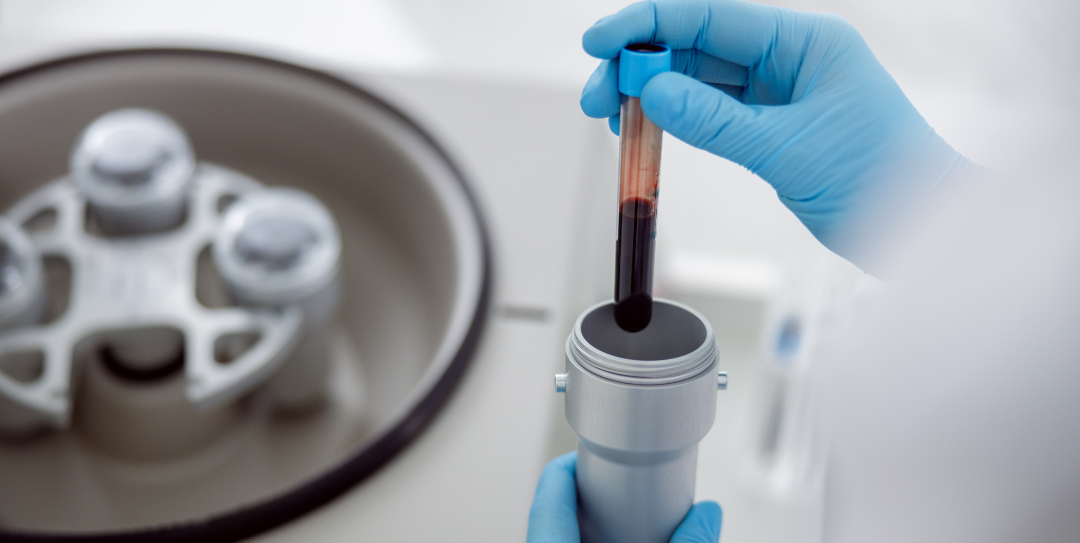
You may have heard about titer testing, which measures antibody levels in the blood.
In some cases, titers can help us understand whether a cat still has immunity to certain diseases. However:
- They don’t replace all vaccines
- They’re not always practical or cost-effective
- They are not accepted in place of rabies vaccination where required by law
Titers can be a useful tool, but they’re not a universal substitute for vaccination.
Special Situations: Senior Cats and Medical Conditions
Older cats and those with chronic health conditions still benefit from preventive care—but their plans may need adjustment.
For senior cats, we often:
- Reassess risk more carefully
- Space vaccines appropriately
- Focus on maintaining quality of life
Cats with medical conditions can often still be vaccinated safely, but decisions should always be individualized.
The Real-World Benefits I See Every Day
From a clinical standpoint, vaccinated cats:
- Are significantly less likely to develop severe infectious disease
- Have better outcomes overall
- Are easier to board, travel with, and integrate into multi-pet households
Vaccination isn’t just about disease prevention—it’s about flexibility and peace of mind for you as a pet owner.
If You’re Unsure, Have the Conversation
You don’t need to have all the answers—that’s what your veterinarian is here for.
If you’re hesitant about vaccines or unsure what your cat needs, the best step is a conversation. We can walk through your cat’s specific situation and come up with a plan that makes sense for both of you.
Final Thoughts
Feline vaccination isn’t about following a rigid checklist—it’s about thoughtful, individualized care.
As a veterinarian, my priority is simple: to help your cat live a long, healthy life while minimizing preventable risks. Vaccines remain one of the most effective ways we can do that.
If your cat’s vaccination status isn’t up to date—or if you’re not sure where they stand—now is a great time to check in and make a plan moving forward.