


How to Spot Subtle Changes Before They Become Serious
Your dog isn’t racing to greet you at the door like usual, and your cat has quietly traded your pillow for a spot on the floor. These small changes may seem harmless, but they can be your pet’s only way of saying something hurts. Because animals instinctively hide pain—a survival strategy rooted in their wild ancestry—many pets suffer silently until their discomfort becomes much more severe. The encouraging news is that you can learn to recognize these early clues and help your furry friend feel better sooner.
Why Pain Often Goes Unnoticed
The Challenge of Subtle Communication
Pets can’t tell you where it hurts or explain what’s wrong. Instead, they communicate through small shifts in behavior that are easy to miss, especially when you see them every day. Just as a child’s slow growth seems sudden when you’re not paying close attention, gradual changes in your pet’s habits can slip by unnoticed.
A Common Surprise for Pet Owners
Veterinarians frequently uncover painful conditions in pets whose families truly believed everything was fine. A cat may have advanced dental disease or a dog may be struggling with significant arthritis, yet their owners are often shocked to learn their pet has been hurting. Because pets mask discomfort so well, these discoveries are more common than most people realize.
Behavioral Changes That May Signal Pain
New Sleep Patterns or Positions
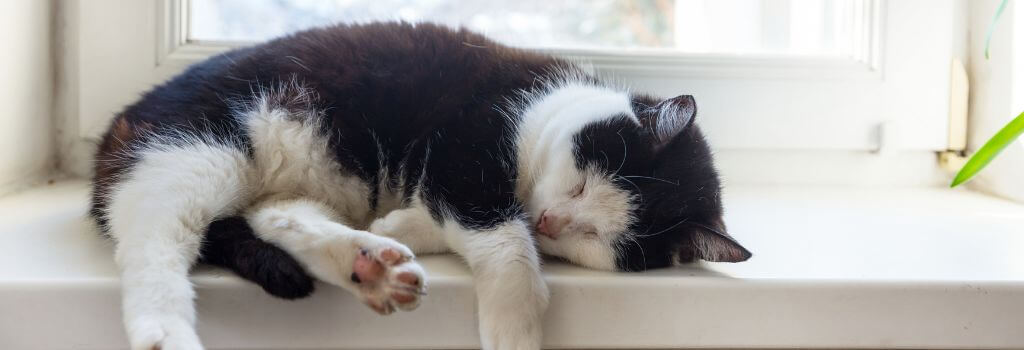
Changes in how or where your pet sleeps can be an early sign of discomfort. Dogs with hip or back pain may shift positions frequently through the night, while cats with abdominal discomfort often curl tightly instead of stretching out. A pet who suddenly avoids the bed, couch, or other elevated resting spots may be struggling to jump or climb due to pain.
Subtle Mobility Changes
Limping is an obvious sign of pain, but many mobility changes are far more subtle. A dog may take stairs slowly or hesitate before jumping into the car. A cat may start using a chair as a steppingstone to reach higher surfaces. Stiffness after rest—especially when your pet first gets up in the morning—is often one of the earliest signs of arthritis or joint discomfort.
Changes in Grooming Habits
Pain can significantly affect grooming behavior, particularly in cats. A normally tidy cat may develop a dull or unkempt coat, experience increased matting, or produce more hairballs due to reduced grooming. Conversely, some pets over-groom painful areas, creating bald patches or irritated skin.
Eating and Chewing Changes
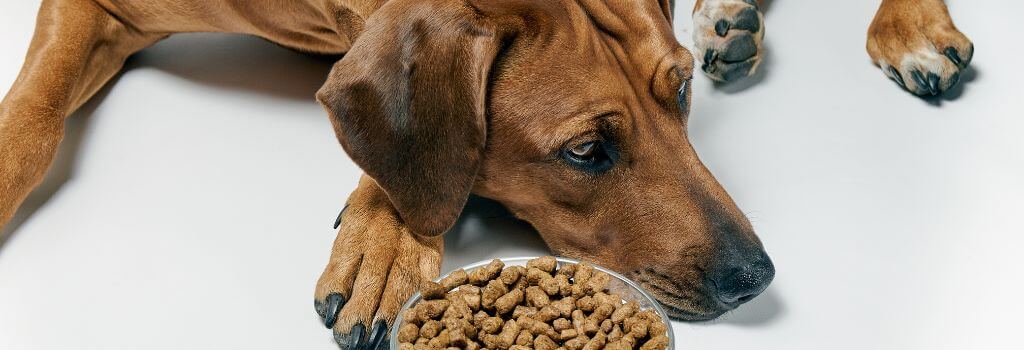
Oral pain can make eating difficult. Dogs may drop kibble while chewing or favor one side of their mouth, while cats may show interest in food but walk away after sniffing it. Other painful conditions can also reduce appetite, making pets reluctant to eat even their favorite treats.
Personality Shifts
Pain affects mood just as it does in humans. A normally friendly dog may shy away from touch, and an affectionate cat may begin seeking solitude. Irritability, withdrawal, or changes in social behavior can all be early indicators that something is wrong.
Beyond the Basics: Additional Signs of Discomfort
Changes in Breathing or Vocalization
Panting at rest, rapid breathing in cats, or labored breathing in small mammals can signal discomfort. Increased vocalization—such as whimpering, crying, or excessive meowing—may also be your pet’s attempt to communicate pain.
Posture and Body Tension
Animals often hold themselves differently when they’re hurting. Dogs may tuck their abdomen, arch their back, or lower their tail. Cats may hunch their shoulders or hold their head down. Facial tension, such as squinting, flattened ears, or a furrowed brow, can also indicate pain.
Bathroom Habit Changes
Pain can make elimination difficult. Pets may strain to urinate or defecate, have accidents despite being house-trained, or avoid the litter box altogether. Some vocalize during elimination, while others repeatedly visit their bathroom area without producing much.
Age-Specific Considerations
Young Animals
Puppies and kittens typically have abundant energy, so a noticeable decrease in playfulness or an increase in sleep can be a sign of pain. Any prolonged change in activity level in a young animal warrants a veterinary visit.
Senior Pets
Many pet owners assume that slowing down is simply part of aging, but pain is often the true cause. Age alone doesn’t explain reduced activity. With proper veterinary care, senior pets can remain comfortable and active well into their golden years.
What to Do When You Think Your Pet Is in Pain
Take note of even subtle changes in your pet’s behavior, including when they began, how often they occur, and whether anything seems to trigger them. Photos and videos of concerning behaviors, sleep positions, or mobility changes can be extremely helpful for your veterinarian. Never give your pet human pain medications unless specifically directed by your veterinarian, as many common drugs—including ibuprofen and acetaminophen—are toxic to animals. Even aspirin requires professional guidance. Don’t wait for multiple symptoms to appear; one persistent change is enough reason to schedule an exam. Early intervention can prevent unnecessary suffering and lead to better outcomes.
Helping Your Pet Live a Pain-Free Life
Recognizing the subtle signs of pain allows you to advocate for your pet’s comfort and well-being. If you suspect something is wrong, reach out to your veterinarian promptly. The sooner your pet receives care, the sooner they can return to feeling like themselves again. Your pet depends on you to speak up when they can’t.
If you have questions or would like to reach out to us, you can call (417) 866-2923 or email [email protected]. You can also follow us on Facebook and Instagram.